 Skip to content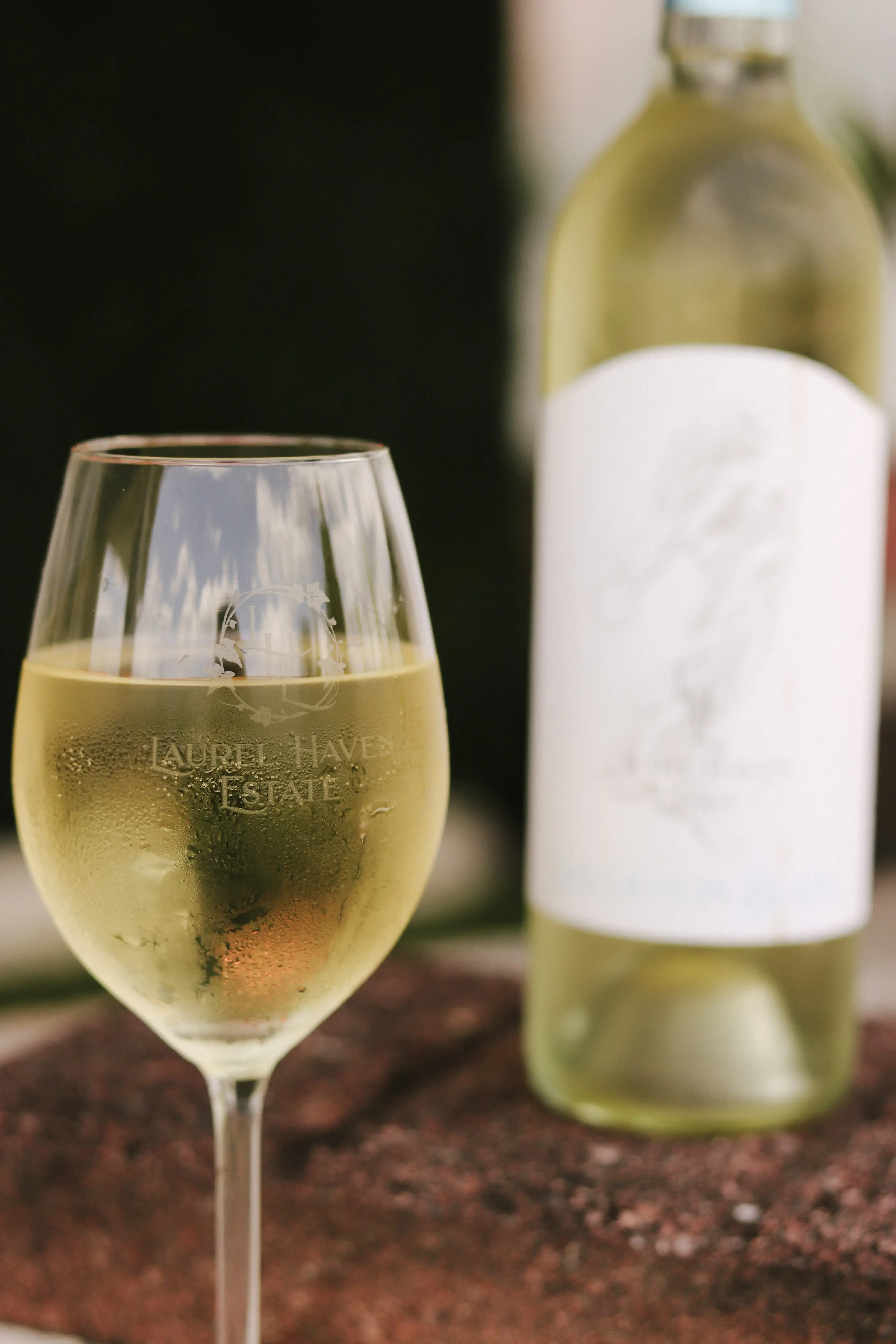
Exploring wineries near Charlotte, NC, reveals a range of tasting experiences — from upscale estates to welcoming family vineyards and event-ready venues. This guide summarizes the region’s top options so you can plan tastings, weekend stays, or private events with confidence.
Understanding the broader appeal of North Carolina’s wine regions helps visitors appreciate what makes these local wineries special.
North Carolina Wine Tourism & Special Events
Wine tourism in North Carolina (NC) has substantially grown, and it is critical to capture the underlying factors that influence individual decisions to visit wine regions, ultimately informing marketing strategies and tourism product development. We conduct surveys at NC wineries to identify factors that may influence attractiveness and barriers to participating in wine tourism activities. The quality of customer service, wine, and scenery was contributing factors. Discounts and special events were deemed considerably more important to first-time visitors, whereas repeat visitors placed more value on customer service and wine quality. Visitors from urban areas were influenced by travel time.
Modeling spatial attractiveness to wine tourism in North Carolina,
USA, EM Delmelle, 2020
Luxury tastings combine high-quality wines, attentive service, and scenic settings. Expect private flights, curated food pairings, and reserved seating at estates that focus on personalized visits.
For an upscale stay with tastings, Laurel Haven Estate offers accommodations, dining, and exclusive tasting experiences suitable for a weekend getaway or celebration.
Laurel Haven delivers tailored tastings guided by knowledgeable staff in a serene setting. The estate also runs private pairing dinners and invitation-only events for guests seeking a refined experience.
Notable vineyards that pair tasting rooms with dining include:
These venues combine quality wines with atmospheres suited for a sophisticated outing.
Family-friendly wineries welcome visitors of all ages and typically provide outdoor space and activities so parents can enjoy tastings while children are entertained.
These spots aim to balance adult tastings with amenities and safe spaces for children.
Indeed, offering diverse activities helps family-oriented wineries broaden appeal and improve economic resilience.
Luxury Family Wine Tourism Experiences
Diversifying activities and eliminating seasonality are key elements in ensuring the economic viability of luxury wine tourism experiences for families.
Family-friendly luxury wine tourism: Bridging gaps and creating experiences, D Liberato, 2024
Popular family activities include:
Built-in activities turn a tasting into a relaxed family outing.
Look for wineries that prioritize safety and comfort. Features to check:
These elements make visits easier and more enjoyable for families.
Many wineries double as event venues, offering scenic ceremony sites and full-service event support. Popular choices include:
These venues provide the setting and services needed for weddings and private parties.
Laurel Haven offers event planning support, customizable packages, and scenic backdrops to streamline wedding logistics and create memorable celebrations.
The estate’s services ease planning and enhance the guest experience.
Other venues that support events include:
These vineyards cover logistics so hosts can focus on the occasion.
To book private tastings or tours:
Advance contact ensures a tailored and smooth tasting experience.
Common personalized offerings:
These options let guests explore wines in a focused, enjoyable way.
Guided tours add local knowledge, convenience, and a social element:
Tours are a good choice for visitors who want context and ease while sampling several wineries.
Fall (September–November) is ideal for harvest events and foliage; spring is also lovely for mild weather and new growth.
Yes. Regional festivals like the North Carolina Wine and Grape Festival and winery-hosted seasonal events offer tastings, food, and entertainment year-round.
Choose smart-casual, comfortable clothing and shoes suitable for walking outdoors; layer for cooler seasons and check any dining dress codes.
Policies vary. Some wineries allow picnics in designated areas, while others encourage using on-site dining—check in advance.
Pet policies differ. Some wineries welcome leashed pets outdoors; others do not—confirm with each winery before visiting.
The region produces reds (Cabernet Sauvignon, Merlot, Sangiovese) and whites (Chardonnay, Viognier) plus native Muscadine styles, reflecting varied climate and soils.
Use winery websites, online reviews, social media, and local guides. Filter searches by interests like family-friendly features, dining, or luxury experiences to narrow choices.
